
What Chefs Know About “Mise en Place” That Every AE Should Steal
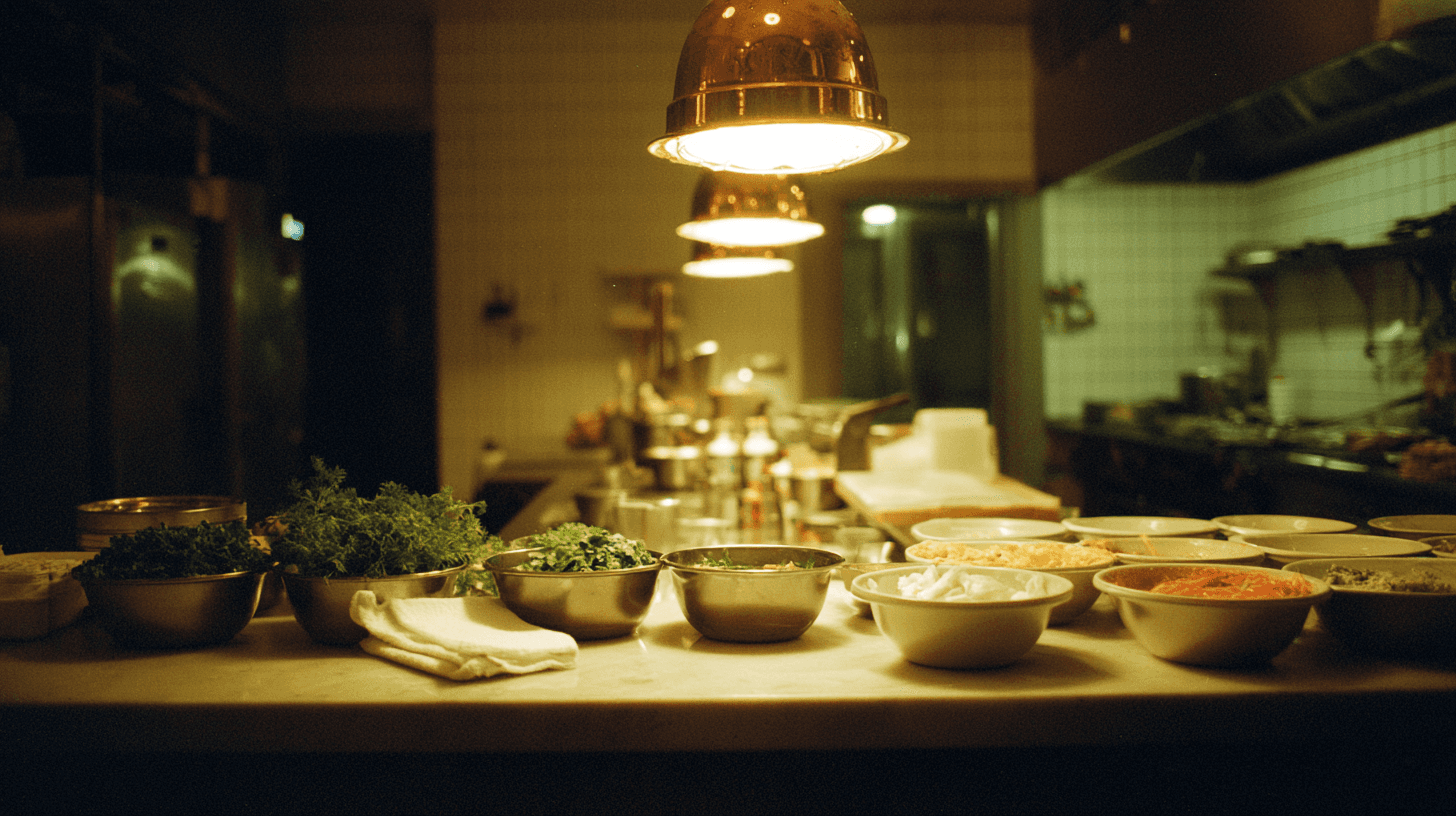
Walk into any serious kitchen a few hours before service and you'll find something that looks almost boring. Chefs are usually moving quietly through their stations, not cooking anything, just setting things up. Stocks already reduced, proteins portioned, herbs picked and laid out on clean towels, knives sharp and in their place… everything is accounted for, everything is where it needs to be. The kitchen isn't doing anything yet, and that's exactly the point.
The French call it “mise en place” (everything in its place) and professional cooks treat it less like a technique and more like a belief system. It sounds obvious when you say it out loud, but it’s also one of the hardest disciplines to actually maintain, because the pull in the opposite direction is incredibly strong. Especially when you're busy, especially when you're behind, the instinct is to skip the setup and just start. Grab the pan, turn up the heat, handle the rest as it comes. But small omissions in prep that compound quietly until you're standing in the weeds on a Saturday night wondering how it got away from you so fast.
The best kitchens in the world aren't fast because their cooks are more talented in the moment. They're fast because they never let the moment catch them off guard.
Sound Familiar?
Most AEs have a version of this exact problem, just in a different setting with different language around it.
The calendar says 9am call, 10:30 discovery, 1pm follow-up, 3pm close call. There's theoretically time to prepare. What actually happens is a two-minute LinkedIn scroll in the window between clicking the link and waiting for the prospect to join. Maybe a glance at last call's notes if you took them carefully enough to be useful. Maybe a quick CRM search that returns a wall of logged activity that tells you everything that happened but nothing about what it means.
When the call starts, you know who you're talking to, you know the company, and you have a general sense of where things stand. But somewhere underneath the surface of the conversation, part of your brain is still trying to pull up what they said about their timeline last time, still trying to remember whether budget had come up, still reconstructing the context that should have already been assembled… the list goes on. You're listening, but you're also retrieving. And those two things are competing for the same bandwidth.
This produces the same result in a sales call that skipping “mise en place” produces in a kitchen, which is a person who is technically there but cognitively a half-step behind, spending the early part of the conversation catching up rather than leading it.
Protecting Quality
Here's the thing most people miss about why serious kitchens take prep so seriously: it's not purely about moving faster, though that's part of it. It's about protecting the quality of judgment when things get complicated.
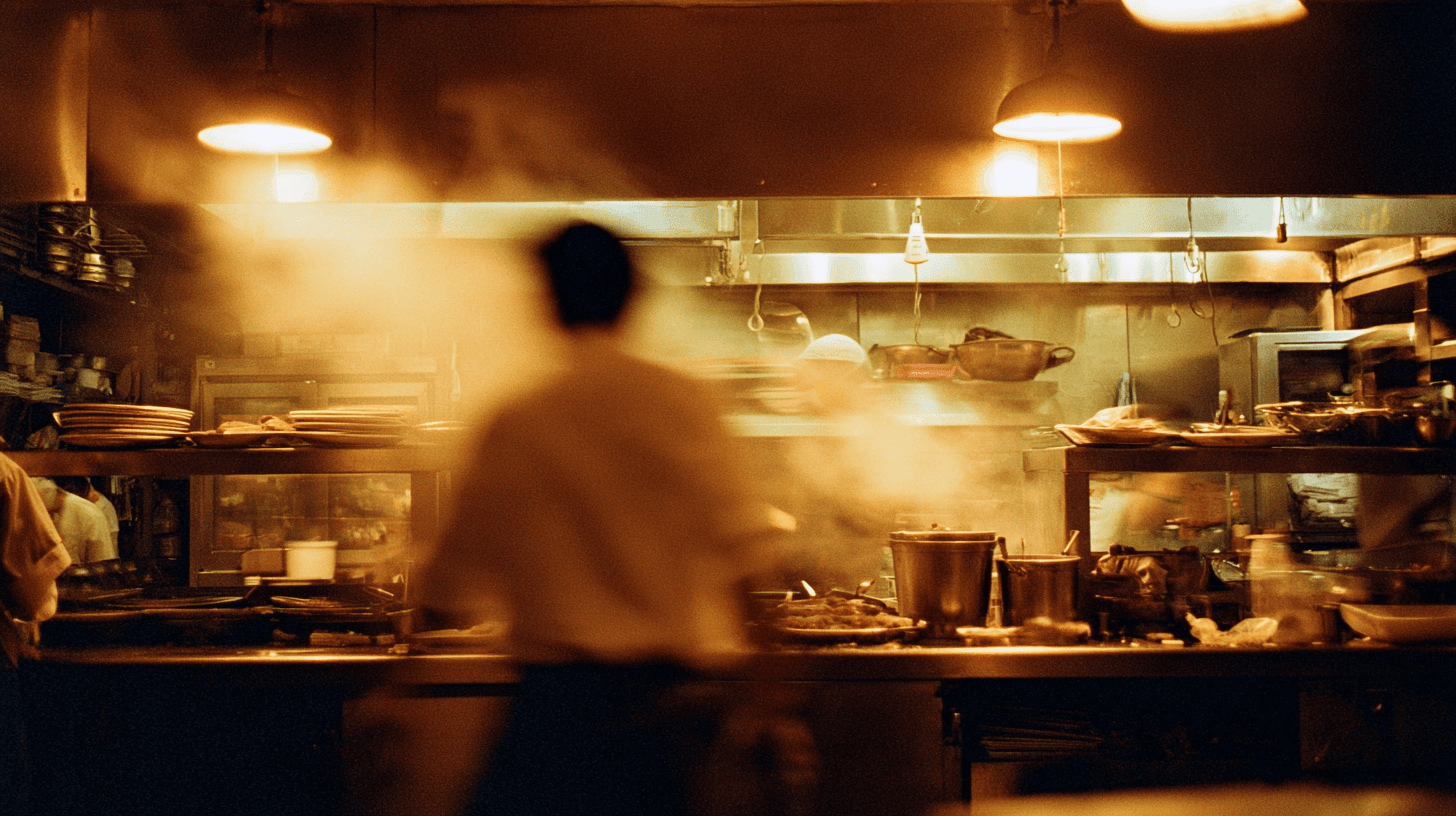
A chef who's mid-service, three tickets deep, and realizes the garnish isn't ready has to improvise, and improvising isn't free! It takes attention. It takes a small but real piece of cognitive bandwidth away from everything else that's happening simultaneously. Do that enough times across a service and you haven't just lost speed, you've degraded the quality of every other decision being made in parallel.
The food gets worse, not just slower.
An AE's version of that same thing plays out call after call. When a prospect references something from a prior conversation and you're not quite sure what they mean, a sliver of your attention shifts to reconstruction instead of listening. When a competitor comes up unexpectedly and you don't have a crisp response ready, there's a hesitation that has a texture the prospect can feel, even if they couldn't explain what felt slightly off. When the call ends and your notes are thin, the follow-up comes out late and reads it’s assembled from approximate memory rather than clear recall.
None of these moments are disasters, but sadly they stack. And the person you are when you’re in a call where none of these things are happening is a meaningfully better AE than the one who's piecing it together as they go.
Preparation isn't the same thing as the Ritual of Preparation
This is where the “mise en place” concept gets really useful for sales, because it's easy to hear "prepare more" and go in the wrong direction entirely. Spending two hours the night before a discovery call reading everything ever written about a prospect's company is its own kind of failure. You arrive knowing a lot and still not having the clear, confident conversational thread you actually needed. Exhausted from the effort, over-informed in ways that don't matter, under-prepared in the ways that do.
“Mise en place” is more about targeted assembly than comprehensiveness. This French phrase doesn't mean everything everywhere, it means the right things, positioned correctly, and ready to be useful.
For an AE, that distinction changes how you think about prep entirely. The question isn't "how much do I know about this account?" It's "what specifically do I need to have in front of me before this call starts so that once it starts, I don't have to look for anything?" All of that should already be assembled and waiting and not something you're pulling together while the prospect is already talking.

Presence
There's a reason chefs are so protective of this principle, and it's this: everything that makes cooking genuinely excellent (the adjustments made in the moment, the read on whether something needs more spice, the decision to deviate from the plan because the product today is slightly different than the product yesterday) all of that requires presence. And you cannot be fully present if you're simultaneously managing an environment that was never properly set up.
The same thing is true on a sales call. The parts of the conversation that actually matter (the unexpected thing the prospect says that opens a door you didn't know was there, the moment where you sense that the real objection is different from the one being stated, the instinct to slow down when the energy in the room shifts) none of that is accessible to you if part of your brain is still trying to remember what CRM stage this account is in.
There's a specific kind of confidence that only comes from knowing you've already done the work. Chefs call it “mise en place”. You can call it whatever you want, but it feels like being ready.

Copyright © 2026 Any Enterprises, Inc. All rights reserved.